Baby Cow Embroidery Design Review for Small Business Merch
As an embroidery designer who has spent years digitizing and testing files for commercial use, I approach every new machine embroidery design with a critical eye. It is not just about whether a motif looks cute on a screen; it is about how it performs on fabric, how it holds up in the wash, and how it elevates a brand’s visual identity. Recently, I reviewed the Baby Cow design, a charming piece from the Baby Animals category that promises versatility for kids’ clothes, tote bags, and framed art. For small business owners, Etsy sellers, and apparel decorators, this review breaks down whether this digital embroidery file is a viable asset for your branded merchandise strategy.
First Impressions: Visual Personality and Brand Fit
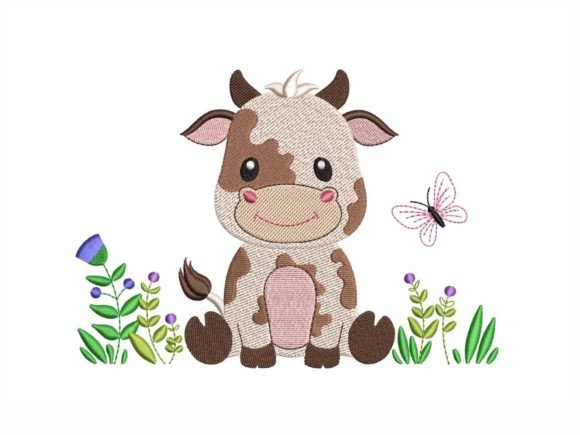
The first thing that strikes you about the Baby Cow design is its inherent warmth. The description highlights an adorable sitting baby cow in the grass, surrounded by flowers and butterflies. This imagery immediately signals a specific aesthetic: rustic, playful, and handmade. For businesses in the boutique, bakery, florist, or pet brand sectors, this visual personality is a goldmine. It does not scream corporate sterility; instead, it whispers comfort and care.
However, from a professional standpoint, we must look beyond the cuteness. Does the design feel premium? In its current form, the inclusion of natural elements like grass and butterflies suggests a decorative style rather than a minimalist logo. This makes it ideal for small business merch where the goal is to create an emotional connection with the customer. It feels friendly and approachable, which is crucial for brands relying on community trust and personal engagement. If your brand identity leans toward elegance or modern minimalism, this design might require careful placement or simplification to avoid looking cluttered.
Real-World Applications for Commercial Embroidery
The true test of any embroidery file is its adaptability across different products. Here is how I envision the Baby Cow design performing in real business scenarios:
- Embroidered Patches: This is perhaps the strongest use case. A well-digitized version of this design would make an excellent iron-on or sew-on patch for denim jackets, canvas backpacks, or lunch boxes. The distinct shapes of the cow and butterflies allow for clear definition even when scaled down slightly.
- Tote Bag Design: Canvas totes are a staple for eco-friendly boutiques and local markets. Placing the Baby Cow centrally on a natural-colored cotton tote creates an instant bestseller. The rustic theme aligns perfectly with sustainable branding.
- Apron Embroidery: For bakeries, florists, or craft studios, staff uniforms are walking billboards. Embroidering this design on the chest pocket or lower corner of a linen apron adds a touch of whimsy without overwhelming the professional look. It softens the uniform and makes staff appear more approachable.
- Cap Embroidery: While possible, cap fronts are tricky. The horizontal spread of the grass and butterflies might need adjustment to fit the curved, limited space of a baseball cap. I recommend using only the cow head or a simplified version for headwear to maintain clarity.
- Kids’ Apparel and Bed Sets: As suggested by the product description, this design shines on children’s items. Pillowcases and bed sets benefit from the soft, comforting imagery, making it a strong seller for parents looking for unique, handmade product options.
Technical Considerations and Production Challenges
Before you load this digital embroidery file into your machine, there are critical technical factors to consider. A design that looks great on a monitor can fail miserably on fabric if not handled correctly.
Stitch Density and Fabric Texture: The presence of grass and flowers implies a higher stitch count. On textured fabrics like terry cloth towels or thick canvas, this density can cause puckering if not properly stabilized. Always use a cut-away stabilizer for stretchy fabrics and a tear-away for stable woven materials. Test the design on a scrap piece of your actual production fabric to check for pull-outs or gaps.
Thread Colors and Contrast: The charm of this design relies on color variation. However, too many color changes increase production time and the risk of thread breaks. I advise reviewing the thread color chart provided with the file. If you are producing in bulk, consider simplifying the palette. For dark uniforms, ensure the design has enough light-colored threads to stand out, or consider using a white underlay to boost visibility.
Hoop Size and Placement: Verify the hoop size required for this design. If it requires a large hoop, it may not be suitable for smaller items like baby onesies or pocket placements on shirts. Always confirm the dimensions before promising a specific placement to a client. Create a printable mockup to visualize the scale relative to the garment.
Impact on Brand Identity and Customer Trust
Using a cohesive set of design assets like the Baby Cow motif can significantly enhance brand recognition. When customers see this consistent imagery across your tote bags, packaging accents, and social media posts, it builds a sense of professionalism and attention to detail. It transforms a simple transaction into a branded experience.
For handmade brands, the imperfection and texture of embroidery add value that printed graphics cannot match. It signals quality and effort, justifying a higher price point for your finished product. However, consistency is key. Ensure that the Baby Cow design complements your other branding elements, such as fonts and color schemes. If your logo is stark and modern, this playful design should be used sparingly as an accent rather than a primary logo replacement.
Practical Designer Notes for Business Use
To ensure the best results with the Baby Cow embroidery design, follow these practical steps before full-scale production:
- Test in Black and White: Before committing to colorful threads, stitch out the design in black thread on white fabric. This reveals the structural integrity of the digitizing. If the shapes are unclear in monochrome, they will likely be muddy in color.
- Check Small Patch Sizes: Scale the design down to the smallest size you intend to sell. Inspect the details of the butterflies and grass. If they become indistinguishable blobs, the design may not be suitable for small patches or jewelry accessories.
- Inspect Spacing and Jump Stitches: Look at the back of the sample. Excessive jump stitches or loose threads indicate poor digitizing, which can lead to unraveling after washing. Trim carefully and consider using a topping if stitching on fuzzy fabrics.
- Confirm Commercial Licensing: This is non-negotiable. Before selling any items featuring this design, verify the license terms included with the file. Some designers allow unlimited sales, while others have caps or require extended licenses for large-scale commercial embroidery.
- Create Client Mockups: If you are offering this as a custom service, create high-quality images of the design on various products. This helps clients visualize the end result and reduces approval time.
Final Verdict for Small Business Owners
The Baby Cow embroidery design is a strong contender for businesses targeting families, children, and lovers of rustic aesthetics. Its strength lies in its emotional appeal and versatility across soft goods like totes, aprons, and bedding. However, success depends on rigorous testing. Do not assume the file is perfect out of the box. Check the stitch density, validate the hoop size, and ensure the color palette aligns with your brand identity.
For Etsy sellers and crafters, this design offers a ready-made asset that can differentiate your shop from competitors using generic clipart. For larger boutiques, it serves as a charming accent that humanizes your brand. Just remember to respect the technical limitations of embroidery machinery and fabric types. With proper stabilization and thoughtful placement, the Baby Cow design can become a signature element of your small business merch, driving both sales and brand loyalty.