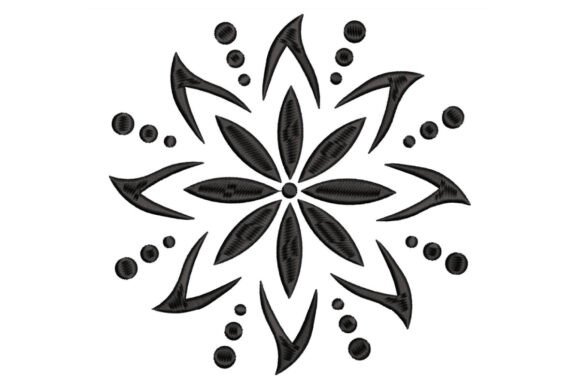
Flower Pattern Mandala Art: A Designer’s Review
As an embroidery designer who has spent years digitizing and reviewing files for small businesses, I approach every new machine embroidery design with a critical eye. It is not enough for a pattern to look pretty on a screen; it must perform flawlessly on fabric, withstand washing, and elevate the brand it represents. Recently, I evaluated Flower Pattern Mandala Art, a piece categorized under Outline Flowers, to determine its viability for commercial use. This review focuses on how this specific embroidery file translates from a digital asset into tangible value for boutique owners, café operators, and handmade product creators.
First Impressions: Visual Personality and Brand Fit
The immediate impression of Flower Pattern Mandala Art is one of balanced elegance. The mandala structure suggests symmetry and precision, while the floral elements soften the geometry, creating a design that feels both modern and timeless. For a business owner, this visual personality is crucial. It does not scream for attention like a bold sports logo, nor does it fade into the background. Instead, it offers a decorative yet professional aesthetic that works well for brands aiming to project warmth, creativity, and attention to detail.
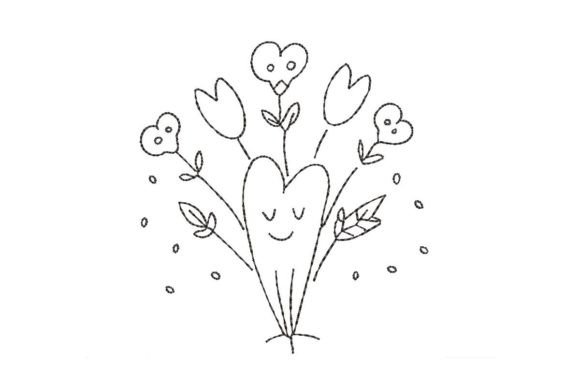
This design fits seamlessly into the Outline Flowers category, which means it relies on clean lines rather than heavy fill stitches. This is a significant advantage for small business merch. Heavy fills can make garments stiff and uncomfortable, whereas outline-based designs maintain the drape and feel of the fabric. Whether you are running a florist shop, a yoga studio, or a artisanal bakery, this design communicates a sense of organic beauty without overwhelming the viewer.
Real-World Applications for Small Business Merchandise
The versatility of Flower Pattern Mandala Art makes it a strong candidate for various commercial embroidery projects. Here is how I envision it performing in real-world scenarios:
- Embroidered Patches: This is perhaps the strongest use case. The symmetrical nature of the mandala creates a self-contained emblem that looks exceptional as a circular or square patch. These can be sewn onto denim jackets, canvas tote bags, or used as branded labels for handmade products.
- Staff Uniforms and Aprons: For cafés and boutiques, apron embroidery adds a touch of premium service. Placing this design on the chest pocket or lower corner of an apron creates a subtle brand mark that customers notice subconsciously. It signals that the staff takes pride in their presentation.
- Cap Embroidery: While curved surfaces are tricky, the central symmetry of a mandala can work well on the front panel of a dad hat or trucker cap. It serves as a stylish alternative to text-heavy logos.
- Tote Bag Design: Canvas totes are a staple for retail businesses. The open lines of this Embroidery design allow the texture of the canvas to show through, creating a rustic, handmade appeal that resonates with eco-conscious consumers.
- Customer Gifts and Event Merch: Use the design on small gift items like handkerchiefs, pouches, or wall art. It transforms a simple promotional item into a keepsake that customers are likely to keep and use, extending your brand identity into their homes.
Navigating Technical Challenges and Fabric Constraints
While Flower Pattern Mandala Art is visually appealing, any experienced digitizer knows that outline designs require careful handling. Because this is an outline-based pattern, the spacing between lines is critical. If the design is scaled down too much for a tiny patch, the gaps between the floral elements may close up due to thread pull, causing the design to look muddy. Conversely, if scaled too large without adjusting stitch length, the gaps may look sparse and unfinished.
Here are specific areas where caution is required:
- Small Patch Sizes: Always test the design at the intended size. If the details are finer than 4mm, they may not stitch out cleanly on standard home or commercial machines.
- Curved Surfaces: When applying this to caps or curved sleeves, ensure the design is centered perfectly. Any asymmetry in placement will be glaringly obvious with a symmetrical mandala.
- Fabric Texture: On textured fabrics like terry cloth or heavy wool, fine outlines can get lost. In these cases, consider using a thicker thread or adding a slight satin stitch border to define the edges.
- Dark Uniforms: If stitching on dark fabrics, ensure you have high-contrast thread colors. Since this is an outline design, there is no fill to mask minor registration errors, so precision is key.
Impact on Brand Identity and Customer Trust
In the world of custom apparel and branded goods, consistency is king. Using a cohesive design element like Flower Pattern Mandala Art across different touchpoints—uniforms, packaging, and social media visuals—strengthens brand recognition. When a customer sees the same intricate floral motif on your website, your packaging, and your staff’s apron, it builds a narrative of professionalism and care.
Furthermore, high-quality embroidery signals value. A poorly digitized design with loose threads or puckering fabric undermines trust. However, when Flower Pattern Mandala Art is stitched correctly with proper tension and stabilizer, it elevates the perceived value of the finished product. Customers are willing to pay more for items that feel bespoke and well-crafted. This design, with its delicate lines, supports a narrative of artisanal quality that mass-printed graphics simply cannot match.
Practical Notes for Production and Licensing
Before integrating this digital embroidery file into your production line, there are several practical steps you must take. As a designer, I always recommend the following workflow:
First, check the technical specifications. The product description notes that the design comes with multiple formats, but you must verify the hoop size compatibility with your machine. Ensure you have the correct file type for your software. Second, always create a printable mockup to visualize the design on your specific product. This helps in client approval and marketing materials before a single stitch is made.
Third, conduct a physical test. Stitch the design on the actual fabric you intend to use. Pay close attention to the stitch density and the choice of stabilizer. For outline designs, a cut-away stabilizer is often preferred for durability, especially if the item will be washed frequently. Test the washability to ensure the threads do not shrink or bleed.
Finally, confirm the licensing terms. The description mentions it is suitable for various projects, but always read the specific license agreement included with the file to ensure it covers commercial embroidery and resale of finished goods. You need to be certain that using this design on items for sale is permitted.
Final Verdict
Flower Pattern Mandala Art is a versatile and aesthetically pleasing addition to any designer’s library of design assets. Its strength lies in its adaptability across different merchandise types, from patches to apparel. For small business owners looking to enhance their brand identity with a touch of elegance and craftsmanship, this design offers a solid foundation. However, success depends on meticulous testing, proper stabilization, and respecting the limitations of outline embroidery on various fabrics. When executed with care, it becomes more than just a pattern; it becomes a signature element of your brand’s visual story.