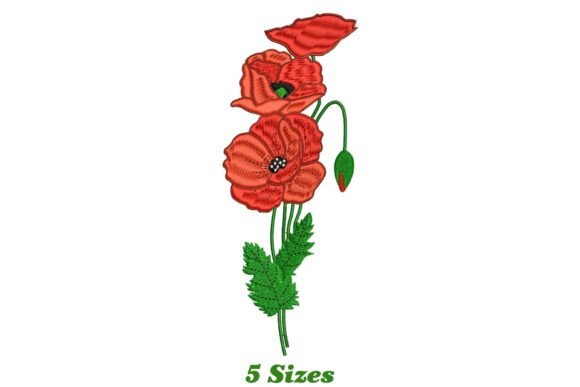
Poppy Flower: A Designer’s Review for Branded Merch
As an embroidery designer who has spent years digitizing and reviewing thousands of motifs, I approach every new machine embroidery design with a critical eye. It is not just about whether a flower looks pretty on a screen; it is about how that design translates to fabric, withstands washing, and serves a business purpose. Today, I am reviewing Poppy Flower, a standout piece from the Single Flowers Plants category. This review is tailored for small business owners, apparel decorators, and handmade brands looking to elevate their product lines with professional-grade Embroidery.
First Impressions: Visual Personality and Brand Fit
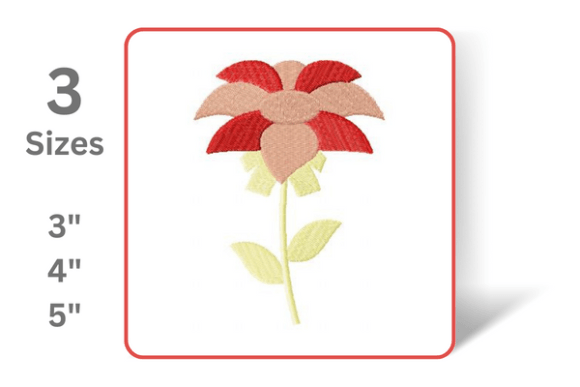
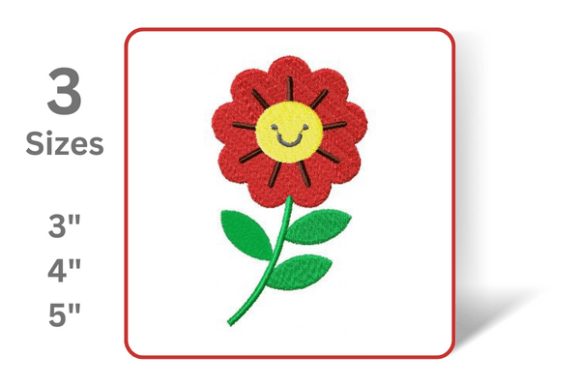
The initial appeal of Poppy Flower lies in its ability to balance charm with professionalism. The description promises to "transform your fabrics with a touch of charm," and visually, it delivers a fun and quirky accent. For a brand identity that leans towards friendly, rustic, or artisanal, this design is a strong contender. It does not feel overly corporate or stiff, which makes it ideal for creative studios, bakeries, florists, and boutique retail spaces.
However, "quirky" can sometimes mean complex. In my assessment, the design maintains enough structure to remain legible even when scaled down. It avoids the trap of being too delicate, which is crucial for commercial applications. Whether you are aiming for a premium handmade aesthetic or a playful modern look, Poppy Flower offers versatility. It feels decorative yet grounded, making it suitable for both high-end home decor and casual staff uniforms.
Real-World Applications for Small Business Merch
For small business merch, versatility is key. Here is how I envision Poppy Flower performing across various product categories:
- Branded Patches: This is perhaps the strongest use case. An embroidered patch featuring this poppy can be applied to denim jackets, canvas tote bags, or laptop sleeves. Patches allow customers to buy into your brand identity without committing to a full garment. The organic shape of the flower works beautifully with merrowed or satin borders.
- Staff Uniforms and Aprons: For cafés and boutiques, apron embroidery adds a layer of sophistication. Placing Poppy Flower on the chest pocket or the lower corner of a bib apron creates a subtle brand marker. It signals attention to detail and care, enhancing customer trust.
- Cap Embroidery: Caps are high-margin items for any brand. However, the curved surface of a cap front requires a design that is not too wide. If the hoop size permits a compact version of this flower, it serves as an excellent side-panel accent or a centered logo replacement for lifestyle brands.
- Tote Bag Design: Canvas totes are staples for eco-friendly brands. Stitching this design onto a natural cotton tote creates an instant handmade product feel. The contrast between the vibrant thread colors and the neutral fabric texture will make the poppy pop, literally and figuratively.
- Customer Gifts and Packaging: Consider using smaller iterations of this design on thank-you cards with fabric swatches, or as a seal on packaging. It extends the unboxing experience and reinforces visual consistency across all touchpoints.
Technical Considerations and Production Notes
While the aesthetic is promising, successful commercial embroidery relies on technical execution. Before running a production batch, there are several factors to evaluate regarding this digital embroidery file.
Stitch Density and Fabric Texture
The description notes that this design adds a "fun and quirky accent." Often, such designs utilize varied stitch types to create texture. You must check the stitch density. If the density is too high for lightweight fabrics like t-shirts, you risk puckering. Always test on the actual fabric you intend to use. For towels, which are mentioned in the product description, ensure the design has enough underlay to prevent sinking into the terry cloth loops.
Size and Legibility
One common mistake is scaling a floral design too small. Details can get lost, turning distinct petals into a blob of thread. I recommend creating a printable mockup at 50%, 75%, and 100% scale to judge legibility. If you plan to use this as a small patch or a sleeve detail, verify that the inner details of the poppy remain distinct. If the design includes fine outlines, they may break or merge at very small sizes.
Thread Colors and Contrast
Poppy flowers are traditionally red, but for brand identity, you might need to customize. Test the design in black and white first. If it loses its definition in monochrome, it may rely too heavily on color contrast rather than stitch structure. When choosing thread colors for dark uniforms, ensure you have a solid backing or use lighter threads that stand out against navy or black fabrics.
Stabilizer Selection
The choice of stabilizer is non-negotiable for a professional finished product. For stretchy fabrics like t-shirts, a cut-away stabilizer is essential to maintain the shape of the flower after washing. For woven fabrics like tote bags or aprons, a tear-away might suffice, but testing is required to ensure no residue remains.
Strategic Advice for Business Owners
Integrating Poppy Flower into your product line should be a strategic decision. Here are practical steps to ensure success:
- Verify File Specifications: The product description does not list exact stitch counts, file formats, or specific hoop sizes. Before purchase, confirm that the embroidery file is compatible with your machines (e.g., PES, DST, JEF). Ensure the available hoop sizes match your production needs.
- Check Commercial Licensing: Never assume a digital file includes commercial rights. Confirm the license terms explicitly allow for the sale of physical goods created with the design. This is critical for Etsy sellers and merch creators.
- Create a Cohesive Collection: Do not use this design in isolation. Compare it beside other design assets in your library. Does it complement your existing logos? Consistency builds recognition. If your brand is minimalist, ensure this "quirky" element does not clash with your overall visual language.
- Test for Durability: Wash and dry test samples multiple times. Check for thread breakage, color bleeding, or fabric distortion. Your reputation depends on the longevity of your custom apparel and merchandise.
- Client Approval Mockups: If you are decorating for clients, always present a realistic mockup. Show them how Poppy Flower looks on their specific garment color and fabric type. This manages expectations and reduces revision requests.
Final Verdict: Is Poppy Flower Worth It?
From a designer’s perspective, Poppy Flower is a valuable addition to a versatile library. It bridges the gap between decorative home decor and functional branded merchandise. Its strength lies in its adaptability—working equally well on a rustic linen towel and a modern canvas tote. For small businesses, it offers a way to add a human, handmade touch to mass-produced items, thereby increasing perceived value.
However, its success depends entirely on proper execution. Respect the limitations of the fabric, choose the right stabilizer, and verify the technical specs of the digital embroidery file. If you approach this design with the rigor of a professional producer, it can become a signature element of your brand identity. It is not just a flower; it is a tool for engagement, recognition, and sales. Use it wisely, test it thoroughly, and let it add that promised touch of charm to your next collection.