Reviewing Beautiful Flower Art for Business Merch
As an embroidery designer who has spent years digitizing and testing files for commercial use, I approach every new machine embroidery design with a critical eye. It is not just about whether a pattern looks pretty on a screen; it is about how it performs on fabric, how it holds up in the wash, and most importantly, how it serves a brand’s identity. Recently, I evaluated Beautiful Flower Art, a piece from the Single Flowers Plants category, to determine its viability for small business merchandise and branded applications. My goal was to see if this design could transition seamlessly from a digital file to a tangible asset for boutiques, cafés, and creative studios.
First Impressions: Balancing Elegance and Playfulness
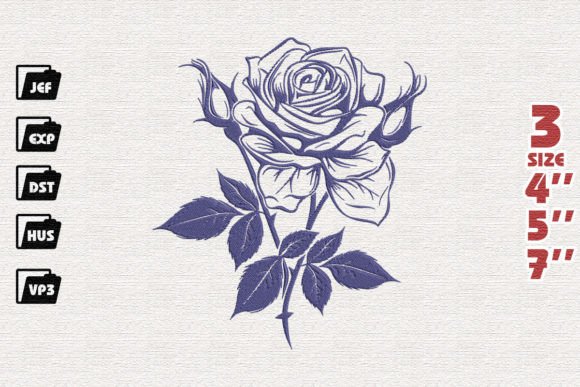
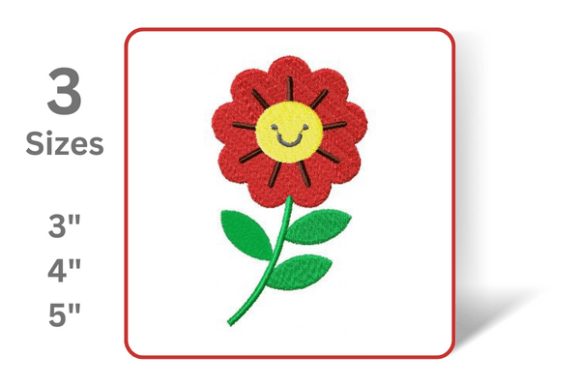
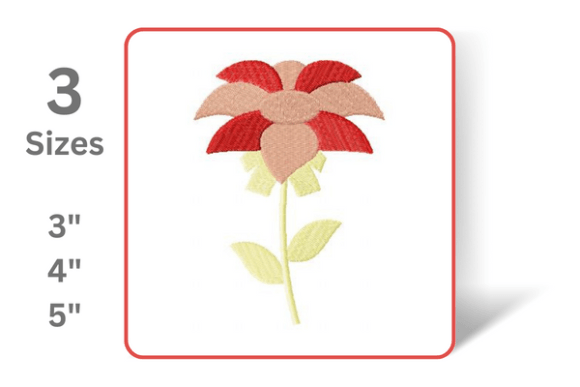
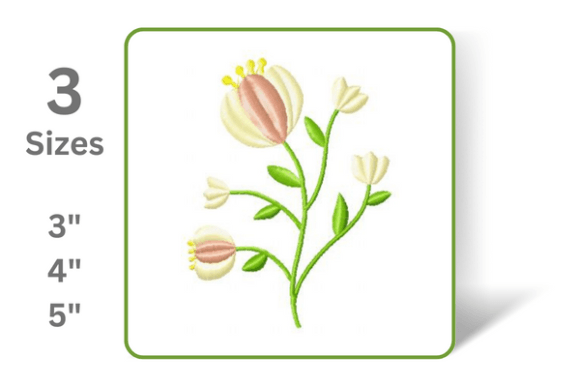
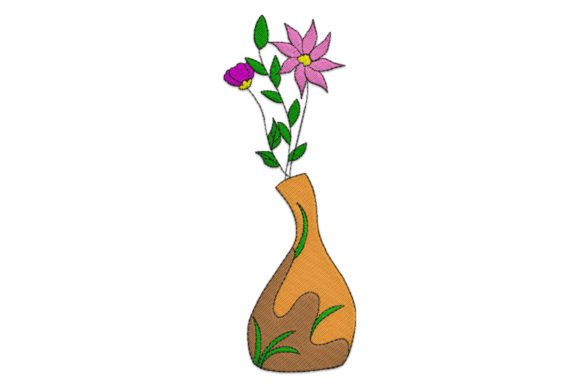
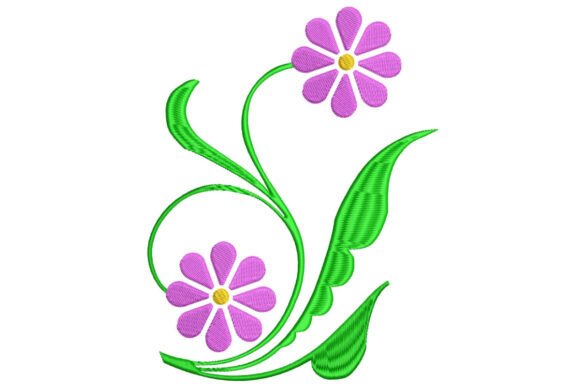
The immediate visual impact of Beautiful Flower Art is striking because it manages to bridge two often opposing aesthetics: elegance and playfulness. The description promises a "hint of elegance" alongside a "lively, quirky touch," and in my initial review, this balance appears well-executed. For a small business owner, this duality is valuable. It means the design is versatile enough to work on high-end boutique packaging while still feeling approachable and friendly on casual staff uniforms.
Unlike rigid, corporate logos that can feel cold, this floral motif brings warmth. It feels handmade and organic, which aligns perfectly with current consumer trends favoring authenticity. When I look at the lines and flow, I see a design that avoids being overly complex, which is crucial for maintaining clarity in commercial embroidery. It does not scream for attention but rather invites a closer look, making it an excellent candidate for subtle branding rather than loud, aggressive marketing.
Real-World Applications for Small Business Merch
The true test of any digital embroidery file is its adaptability across various products. I imagined several scenarios where Beautiful Flower Art could elevate a brand’s physical presence. Here is how I envision it performing in real business contexts:
- Embroidered Patches: This is perhaps the strongest use case. A well-digitized floral design makes for a premium iron-on or sew-on patch. Brands can use these as limited-edition drops or loyalty rewards. The organic shape of the flower allows for creative die-cut edges, avoiding the boring rectangular border typical of cheap patches.
- Staff Uniforms and Aprons: For bakeries, florists, or coffee shops, apron embroidery adds a layer of professionalism. Placing this design on the chest pocket or the lower corner of an apron creates a cohesive team look that feels curated rather than generic. It signals to customers that the staff takes pride in their appearance and their craft.
- Tote Bag Design: Canvas tote bags are a staple for retail businesses. Embroidering this flower on a natural cotton tote transforms a simple carry-all into a desirable accessory. The texture of the thread against the canvas adds tactile value that printed designs simply cannot match.
- Cap Embroidery: Front-panel cap designs require simplicity. If the stitch count is managed correctly, this flower could sit beautifully above the brim of a dad hat or trucker cap, offering a soft, feminine counterpoint to the structured hardware of the hat.
Technical Considerations and Production Notes
While the aesthetic appeal is high, technical execution is where many projects fail. As a designer, I must advise caution regarding specific production variables. The description notes it is perfect for t-shirts and towels, but each fabric type interacts differently with the needle and thread.
Stitch density is a primary concern. If the design is too dense, it will pucker lightweight fabrics like t-shirt jersey or silk blends. Conversely, if it is too sparse, it may look unfinished on heavy materials like denim or canvas. Before running a full production batch, you must test the embroidery file on the exact fabric you intend to use. For stretchy materials, a cut-away stabilizer is non-negotiable to prevent distortion after washing.
Another critical factor is thread colors. Floral designs rely heavily on color gradients and contrast. On dark uniforms, you may need to adjust the palette to ensure the flower pops without looking neon or artificial. I recommend creating a printable mockup first to visualize how the thread sheen interacts with your brand’s specific color palette. Additionally, always verify the hoop size requirements. If the design is large, it may not fit on standard cap frames or small hoop setups commonly used for quick patches.
Impact on Brand Identity and Customer Trust
Why go through the trouble of embroidery when printing is cheaper? The answer lies in perceived value. An embroidered item feels substantial and durable. When a customer receives a product with Beautiful Flower Art stitched into it, they perceive higher quality. This perception directly influences brand identity. It tells the customer that your business values detail and longevity.
For Etsy sellers and handmade brands, consistency is key. Using this design across multiple touchpoints—such as on product tags, packaging inserts, and the products themselves—creates a recognizable visual language. It builds trust. Customers are more likely to engage with and share photos of items that feature intricate textile work, providing free social media exposure for your business. The "quirky" nature of the design also helps humanize the brand, making it feel less like a faceless corporation and more like a creative studio run by people who care about aesthetics.
Where to Use Caution
Despite its versatility, there are scenarios where this design might struggle. Avoid using it on items that undergo extreme industrial laundering unless you have tested its durability rigorously. Fine details in floral petals can sometimes get lost or tangled in high-speed commercial washers. Furthermore, be cautious with very small patch sizes. If the design is scaled down too much, the individual stitches may merge, losing the definition that makes the flower "beautiful." Always check the minimum recommended size provided with the file.
Also, consider the fabric texture. Highly textured fabrics like thick wool or terry cloth towels can swallow smaller stitches. In these cases, you might need to simplify the design or increase the stitch length to ensure visibility. If the design includes tiny lettering or intricate outlines, these elements are the first to fail on curved surfaces like cap fronts or uneven seams.
Final Verdict for Designers and Business Owners
Beautiful Flower Art is a strong contender for small business merchandising, provided it is handled with technical precision. It offers the flexibility needed for diverse applications, from custom apparel to home decor accents. However, success depends on preparation. Do not assume the file is ready for production straight out of the download folder.
- Test in Black and White: Before committing to colorful threads, stitch it out in black thread on white fabric. This reveals any gaps in coverage or tension issues without the distraction of color.
- Confirm Licensing: Ensure the license terms allow for the volume of production you plan. Some files are for personal use only, while others permit unlimited commercial sales.
- Create Client Mockups: If you are a decorator working for clients, show them a realistic simulation of the design on their specific garment before stitching.
- Check Design Assets: Compare this flower against your existing logo and branding elements to ensure visual harmony.
In conclusion, this Embroidery design has the potential to be a standout element in your product line. It brings a touch of sophistication and whimsy that can differentiate your brand in a crowded market. By respecting the technical limitations of machine embroidery and focusing on strategic placement, you can turn this digital asset into a powerful tool for brand building. Whether you are outfitting a local bakery or launching a new line of tote bags, Beautiful Flower Art deserves a spot in your design toolkit, pending a thorough test stitch.