Roses with Beautiful Branches: A Designer’s Review
As a designer who has spent countless hours digitizing and stitching out floral motifs, I have developed a keen eye for what makes a machine embroidery design truly viable in a commercial setting. It is not just about how pretty the preview looks on a screen; it is about how the threads lay on the fabric, how the tension holds up after washing, and whether the final product feels premium enough to justify its price tag. Recently, I evaluated Roses with Beautiful Branches Embroidery, a piece from the Single Flowers Plants category, to determine if it meets the rigorous standards required for modern craft businesses and custom apparel projects.
First Impressions and Visual Personality
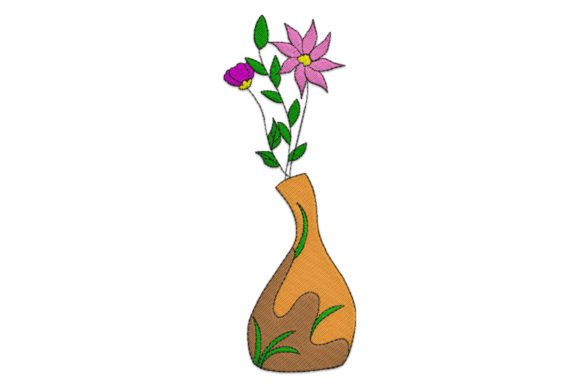
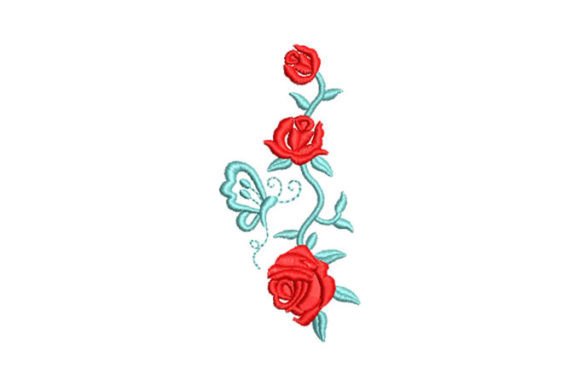
The first thing that strikes you about Roses with Beautiful Branches Embroidery is its organic flow. Unlike rigid, geometric patterns, this design mimics the natural asymmetry found in real botanical specimens. The layout suggests a gentle cascade, which immediately opens up possibilities for placement. It does not scream for attention with excessive density; rather, it invites a closer look. For an embroidery project intended for boutique branding or high-end personalized gifts, this subtlety is a significant asset.
The visual personality here is romantic yet grounded. The branches provide a structural backbone that prevents the roses from looking like floating decals. This integration of stem and bloom is crucial for maintaining visual balance, especially when the design is scaled down for smaller items like cuffs or collars. When I imagine this stitched out, I see a design that respects the negative space, allowing the fabric texture to breathe between the stitches. This is a hallmark of professional digitizing, where the goal is to enhance the garment, not overwhelm it.
Real-World Application: The Tote Bag Test
To truly understand the utility of this design, I mentally placed it into a common real-life scenario: creating a custom canvas tote bag for a local farmer’s market vendor. In this context, the Roses with Beautiful Branches Embroidery shines. Canvas is a sturdy medium that can handle moderate stitch density without puckering, provided the correct stabilizer is used. The branching structure of the design allows for excellent coverage without creating a stiff, cardboard-like patch in the center of the bag.
For an Etsy seller or small shop owner, this versatility is key. The same embroidery file could easily transition from a heavy canvas tote to a lighter cotton tea towel. On the towel, the running stitch elements likely used for the finer branches would add a delicate, hand-drawn aesthetic that appeals to customers looking for heirloom-quality kitchen linens. The design’s adaptability means you are not locked into one product type, maximizing the return on investment for your digital assets.
Apparel and Custom Garments
When considering custom apparel, such as sweatshirt embroidery or baby clothes, the placement becomes critical. For a sweatshirt, positioning this design on the upper left chest creates a sophisticated, understated look. It avoids the bulkiness that often plagues larger floral designs on knit fabrics. However, caution is advised when working with stretchy materials. The branches must be digitized with enough flexibility to move with the fabric. If the stitch density is too high in the branch areas, it could restrict the stretch of a t-shirt or baby onesie, leading to discomfort for the wearer.
For baby embroidery, the softness of the motif is appealing. Parents often prefer designs that feel gentle and natural. Yet, durability is paramount. Items for infants undergo frequent washing. Therefore, ensuring that the thread colors chosen have high colorfastness and that the backing is soft against sensitive skin is essential. This design, with its open structure, is less likely to trap moisture or irritate skin compared to dense, solid fill designs, making it a strong candidate for nursery decor and infant wear.
Technical Considerations and Fabric Compatibility
While Roses with Beautiful Branches Embroidery is described as suitable for any type of fabric, experienced makers know that "any" requires nuance. On textured fabrics, such as linen or waffle weave, the finer details of the branches might get lost. In these cases, increasing the contrast between the thread colors and the fabric background is necessary to maintain visibility. Conversely, on smooth, dark fabrics, a satin stitch border around the petals can help the roses pop, preventing them from blending into the background.
One area requiring careful attention is curved surfaces, such as caps or hats. Embroidering on a curved brim demands precise hooping and often a cut-away stabilizer to prevent distortion. The branching elements of this design need to be aligned carefully with the curve of the cap to avoid looking skewed. If the design includes tiny lettering or intricate corners, these should be inspected closely in the software before stitching. Small details can easily become tangled or lose definition if the needle size or thread weight is not appropriate for the specific hoop size being used.
Enhancing Product Value and Brand Consistency
From a business perspective, the quality of your design assets directly impacts customer trust. A clean, well-stitched Roses with Beautiful Branches Embroidery signals professionalism. It tells the buyer that care was taken in the creation of the handmade product. This perception of quality allows for higher pricing points and fosters brand loyalty. When customers receive a personalized gift that looks crisp and durable, they are more likely to return for future purchases or recommend your shop to others.
Furthermore, this design fits seamlessly into various seasonal collections. It works beautifully for holiday embroidery, particularly for spring-themed items like Easter baskets or Mother’s Day gifts. Its timeless nature ensures it does not feel dated quickly, providing long-term value for your catalog. Whether used for a wedding gift or a boutique product launch, the consistent aesthetic helps build a recognizable brand identity.
Practical Notes for the Embroiderer
Before committing to a full production run, always test the design on scrap fabric identical to your final material. Check the thread color contrast in both natural light and artificial light. Review the stitch density settings in your embroidery software; if the design feels too stiff, consider reducing the density slightly or using a lighter weight thread. Confirm the hoop size requirements to ensure it fits your machine’s capabilities.
It is also vital to verify the licensing terms. While many designs are sold for personal use, commercial embroidery projects often require an extended license. Ensure you have the right to sell finished items or digital embroidery files if that is part of your business model. Finally, create printable mockups to visualize how the design looks on different products before stitching. This step saves time and materials, allowing you to present the most appealing options to your customers.
In conclusion, Roses with Beautiful Branches Embroidery offers a blend of elegance and practicality that serves both hobbyists and professional makers well. By paying attention to fabric choice, stabilizer selection, and placement, you can leverage this design to create stunning, high-value embroidered products that resonate with your audience.