Welcome Spring: Jar Bottle Wild Flowers Review
As an embroidery designer who has spent years digitizing and testing files for small business applications, I approach every new machine embroidery design with a critical eye. It is not enough for a pattern to look pretty on a screen; it must perform under the needle, withstand washing, and elevate the brand it represents. Recently, I evaluated Welcome Spring, Jar Bottle with Wild Flowers, a charming digital asset that promises to add a whimsical accent to various fabrics. For boutique owners, Etsy sellers, and local businesses looking to refresh their seasonal merchandise, this review breaks down how this design functions in real-world commercial scenarios.
First Impressions: Visual Personality and Brand Fit
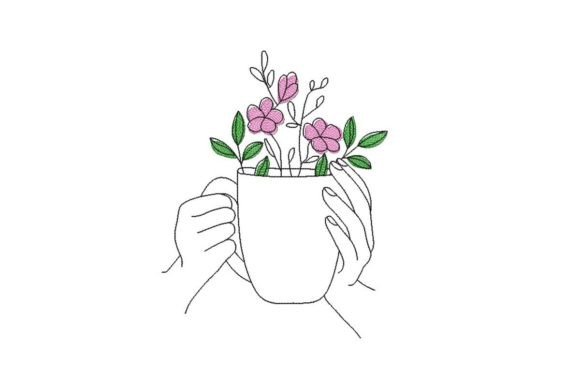
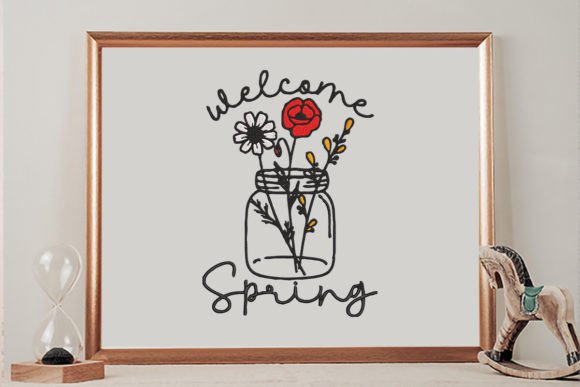
The immediate appeal of Welcome Spring, Jar Bottle with Wild Flowers lies in its rustic yet polished aesthetic. The imagery of wild flowers contained within a jar bottle suggests a blend of nature’s unpredictability and human curation. This duality makes it exceptionally versatile for brands that want to project warmth, authenticity, and a handmade touch. Unlike stark, modern minimalism, this design feels inviting. It speaks directly to customers who value artisanal quality and organic beauty.
For a florist, a bakery, or a cozy café, this visual language is invaluable. It does not scream for attention with aggressive boldness; instead, it invites closer inspection. The "cool" factor mentioned in the product description translates to a contemporary farmhouse or cottage-core vibe, which remains highly popular in current retail trends. When considering this for your brand identity, ask yourself if your customer base responds well to soft, narrative-driven imagery. If your brand story involves growth, freshness, or home comfort, this design aligns perfectly with those values.
Real-World Applications for Small Business Merch
The true test of any digital embroidery file is its adaptability across different products. Here is how Welcome Spring, Jar Bottle with Wild Flowers performs in specific business use cases:
- Embroidered Patches: This is perhaps the strongest application. The self-contained nature of the jar motif makes it ideal for iron-on or sew-on patches. You can produce these in batches to sell as standalone accessories or use them to upgrade plain denim jackets and canvas totes. The boundary of the jar provides a natural frame, preventing the design from looking unfinished on a patch background.
- Apron Embroidery: For bakeries, flower shops, or craft studios, staff uniforms are walking billboards. Stitching this design on the chest pocket or lower corner of a canvas apron adds a professional yet approachable touch. It reinforces the idea that the staff handles natural, fresh products with care.
- Tote Bag Design: Canvas tote bags are staples for eco-conscious retailers. Placing this design centrally on a neutral-colored tote creates an instant bestseller. The whimsical accent described in the product details shines here, turning a utility item into a fashion statement.
- Cap Embroidery: While possible, this requires careful scaling. The intricate details of wild flowers may need simplification or enlargement to remain visible on the curved front panel of a baseball cap. It works best as a side-panel accent rather than a full-front logo if the stitch count is high.
- Customer Gifts and Packaging: Small embroidered tags attached to product packaging can significantly enhance perceived value. Using this design on small fabric labels adds a premium, handmade feel to any retail transaction.
Technical Considerations and Production Challenges
While the aesthetic is strong, technical execution is where many small businesses stumble. As a designer, I must highlight areas where Welcome Spring, Jar Bottle with Wild Flowers requires careful handling during production.
Stitch Density and Fabric Texture: Wild flower designs often involve varied thread directions to mimic petals and leaves. If the stitch density is too high, the fabric may pucker, especially on lighter materials like t-shirts or thin towels. Always test the design on the exact fabric you intend to use. For textured fabrics like terrycloth towels, ensure the design has sufficient underlay stitching to prevent sinking.
Scale and Legibility: The charm of this design relies on detail. However, when shrinking the design for small patches or left-chest logos, fine lines may merge or break. I recommend stitching a test sample at your intended size before running a full production batch. If the jar outline becomes too thick relative to the flowers, the design may lose its delicate balance.
Thread Colors and Contrast: The success of this piece depends heavily on your thread colors selection. On dark uniforms, ensure you use high-contrast threads for the jar outline to maintain visibility. Conversely, on light pastels, subtle tonal variations can create a sophisticated, elegant look. Avoid using too many color changes if speed is a priority, but do not sacrifice the natural gradient of the flowers for the sake of efficiency.
Stabilizer Selection: Given the potential for varied stitch angles in floral elements, using the correct stabilizer is non-negotiable. A cut-away stabilizer is generally safer for garments that will undergo frequent washing, ensuring the design retains its shape over time. For temporary items or stiff fabrics, a tear-away might suffice, but always prioritize longevity for branded merchandise.
Enhancing Brand Identity and Customer Trust
Incorporating Welcome Spring, Jar Bottle with Wild Flowers into your product line does more than decorate fabric; it communicates quality. In the era of mass-produced goods, custom apparel and embroidered accessories signal that a business invests in its presentation. This builds customer trust and encourages brand loyalty.
When a customer receives a tote bag or wears a shirt with a well-executed embroidery design, they perceive the entire brand as more premium. This psychological effect is crucial for small businesses competing with larger retailers. The handmade presentation of embroidery cannot be replicated by cheap printing methods, giving your small business merch a tangible competitive advantage.
Furthermore, consistency is key. If this design fits your spring collection, ensure it complements your existing design assets. Use it alongside complementary fonts and colors in your marketing materials. Create a printable mockup to show clients how the final product will look before stitching begins. This step reduces errors and ensures client approval, streamlining your workflow.
Final Designer Notes for Commercial Use
Before integrating Welcome Spring, Jar Bottle with Wild Flowers into your commercial workflow, consider these final checkpoints:
- Verify Licensing: Confirm that the embroidery file comes with a commercial license allowing you to sell finished products. Never assume; always check the terms provided by the designer.
- Check File Formats: Ensure the download includes the format compatible with your specific embroidery machine. The product description notes the design comes in multiple formats, but verify this against your equipment needs.
- Hoop Size Compatibility: Confirm the required hoop size fits your machine’s capabilities. If the design is large, you may need a multi-position hoop or a larger machine.
- Test Wash Durability: Wash and dry a test sample to check for thread bleeding or fabric distortion. This step is vital for maintaining your reputation for quality.
- Mockup for Approval: If working with B2B clients, present a digital mockup first. This manages expectations and allows for adjustments before any thread is wasted.
In conclusion, Welcome Spring, Jar Bottle with Wild Flowers is a robust choice for businesses aiming to capture the essence of the season with professionalism and charm. By paying attention to technical details and strategic placement, you can transform this digital asset into a powerful tool for brand engagement and revenue growth. Whether used on aprons, patches, or totes, it offers the whimsical yet polished look that modern consumers crave.