Blooming Rose: A Designer’s Review for Real Projects
As a designer who spends more time staring at stitch simulations than actual fabric, I have learned that not every pretty picture translates into a quality embroidery project. When I first pulled up the Blooming Rose file, my initial reaction was cautious optimism. We see countless floral motifs in the Single Flowers Plants category, but few strike the right balance between visual impact and stitch efficiency. This review breaks down how this specific design performs when moved from the digital screen to the sewing machine, focusing on practical application for crafters, Etsy sellers, and boutique owners.
First Impressions: Mood and Visual Personality
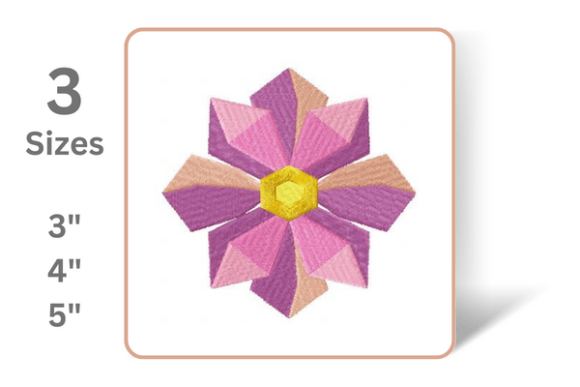
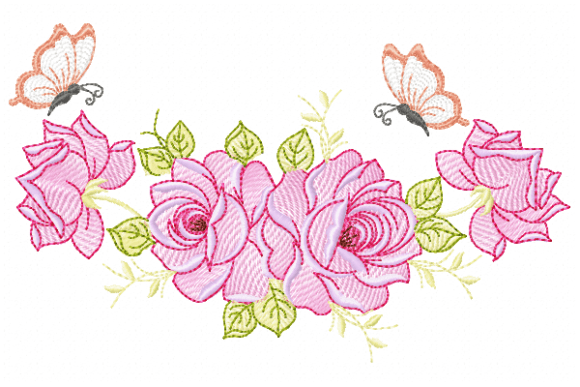
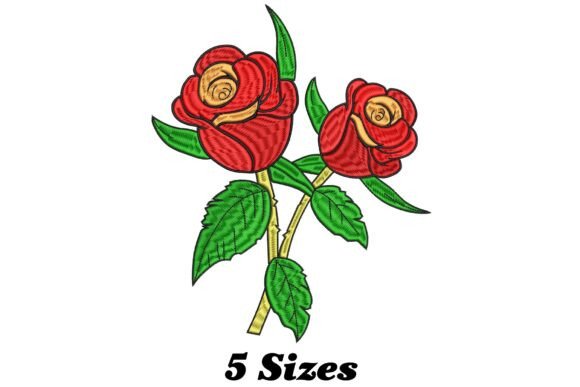
The Blooming Rose design carries a playful yet fanciful accent that feels modern rather than dated. It avoids the overly rigid symmetry of traditional botanical illustrations, opting instead for a layout that feels organic and lively. For a designer, this is crucial. Stiff designs often look mechanical once stitched, whereas this motif retains a hand-drawn charm. The detail level is moderate; it is intricate enough to catch the eye but not so dense that it turns a lightweight garment into a cardboard shield. This visual personality makes it versatile, fitting naturally into both casual custom apparel and slightly more refined home decor items.
Real-World Application: The Tote Bag Test
To truly evaluate an embroidery file, you must imagine it on a specific product. I recently considered using Blooming Rose for a line of canvas tote bags intended for a local farmer’s market. Canvas is a forgiving medium, but it demands clarity. I placed the design on the lower corner of a natural cotton tote. The result was striking. The rose provided a focal point that elevated a simple bag into a handmade product with perceived value. Customers are drawn to items that feel personalized, and this design delivers that custom look without requiring hours of digitizing work from scratch. It works equally well as a central chest piece on a sweatshirt or as a subtle accent on a pocket.
Versatility Across Product Lines
Beyond totes, this design shines in several other areas:
- Sweatshirt Embroidery: The design holds up well on fleece and French terry. The stitches do not get lost in the nap of the fabric, provided you use adequate stabilizer.
- Baby Embroidery: For nursery decor or baby onesies, the soft curves of the rose feel gentle and appropriate. However, always check the stitch density to ensure comfort against sensitive skin.
- Holiday Embroidery: By adjusting thread colors, this single flower can transition from a spring pastel accent to a deep red winter motif, making it a year-round asset for your design assets library.
- Embroidered Patch: If you plan to create iron-on or velcro patches, this shape borders cleanly. It does not have stray running stitches that extend far beyond the main motif, which simplifies the cutting process.
Technical Considerations and Fabric Challenges
While Blooming Rose is visually appealing, practical embroidery requires technical vigilance. Not every fabric behaves the same way. Here is where you need to exercise caution.
Fabric Texture and Stability: On textured fabrics like waffle knit or heavy linen, the finer details of the rose might get obscured. I recommend testing the design on scrap fabric first. If you are working with thin or stretchy fabric, such as jersey knits for t-shirts, the pull of the stitches can cause puckering. Using a cut-away stabilizer is non-negotiable here to maintain the integrity of the finished product.
Dark Fabric Contrast: One common mistake is assuming the design will pop on any background. On dark fabrics, if your thread colors lack sufficient contrast, the depth of the rose can disappear. I advise creating black and white mockups to check the value contrast before stitching. If the design relies heavily on subtle shading, it may flatten out on black or navy garments. In such cases, consider adding a satin stitch border or using a lighter underlay to boost visibility.
Curved Surfaces: Applying this to caps or curved hats requires careful hooping. Because the design has a distinct vertical orientation, aligning it perfectly on the front panel of a cap is critical. Any tilt will be immediately noticeable to the buyer. Ensure your hoop size accommodates the full height of the rose without distorting the brim of the hat.
Enhancing Brand Value and Customer Trust
For small business owners and craft business operators, consistency is key. Using a high-quality machine embroidery design like Blooming Rose contributes to brand professionalism. When customers receive a item where the stitching is clean, the threads are trimmed, and the design is centered, their trust in your brand grows. This design supports that goal by offering clear stitch paths that are less prone to thread breaks or nesting issues, assuming your machine is well-maintained.
Furthermore, this motif enhances the "giftability" of your items. Whether it is a wedding gift, a personalized apron, or a boutique merchandise item, the floral theme resonates emotionally. It feels thoughtful. In a crowded marketplace like Etsy, having distinctive, well-executed designs helps your listings stand out in printable mockups and digital previews. A crisp, clear image of the embroidered rose can significantly increase buyer engagement.
Practical Notes for the Embroiderer
Before you commit to a large production run or list this as a new product, follow these steps:
- Check Stitch Density: Review the file settings. If the fill stitch areas are too dense for your chosen fabric, reduce the density in your editing software to prevent stiffness.
- Thread Color Selection: Do not rely solely on the default color map. Experiment with variegated threads for a more dynamic look, or stick to solid monochromatic schemes for a modern, minimalist aesthetic.
- Verify Licensing: Always confirm the license terms. If you are selling finished items, ensure the creator allows commercial use. If you are selling the digital file itself, verify that redistribution is permitted. Never assume; always read the terms.
- Test Washability: If the end product is a kitchen towel or baby item that will be washed frequently, test the design after multiple wash cycles. Check for thread shrinkage or fabric distortion.
- Hoop Size Confirmation: Ensure the design fits within your standard hoops. While it is a single flower, verify the dimensions to avoid last-minute resizing, which can distort the aspect ratio and ruin the visual appeal.
Final Verdict
Blooming Rose is a strong contender for any designer’s library. It balances artistic flair with practical stitchability. It is not just a decorative element; it is a functional tool for creating sellable, attractive goods. Whether you are decorating home decor, creating personalized gifts, or building a catalog of commercial embroidery products, this design offers the flexibility and polish needed to succeed. Treat it with the technical respect it deserves—proper stabilization, thoughtful color choices, and rigorous testing—and it will become a reliable staple in your creative workflow.