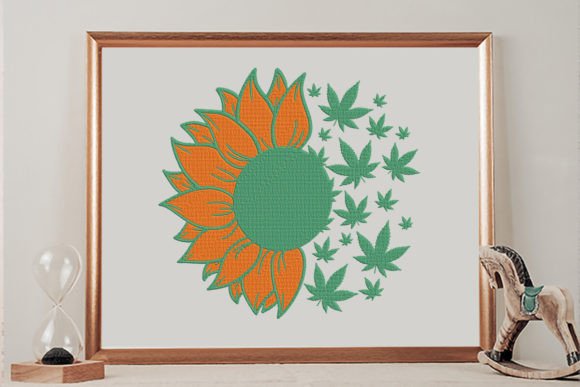
Sunflower Weed: A Designer’s Review for Real Projects
As an embroidery designer who has spent years digitizing patterns and testing them on everything from flimsy rayon to heavy denim, I approach every new machine embroidery design with a mix of curiosity and skepticism. We have all been there: you download a file that looks stunning in the preview, only to find it puckers the fabric or loses its charm once stitched out. That is why I took a close look at Sunflower Weed, not just as a digital asset, but as a potential centerpiece for real-world products.
This piece falls under the category of Single Flowers Plants, a genre that is perpetually popular in the Embroidery community. However, popularity does not guarantee quality. My goal here is to evaluate how this design performs when it leaves the screen and enters the hoop, specifically for those of us running small shops, selling on Etsy, or creating personalized gifts for friends and family.
First Impressions: Mood and Visual Personality
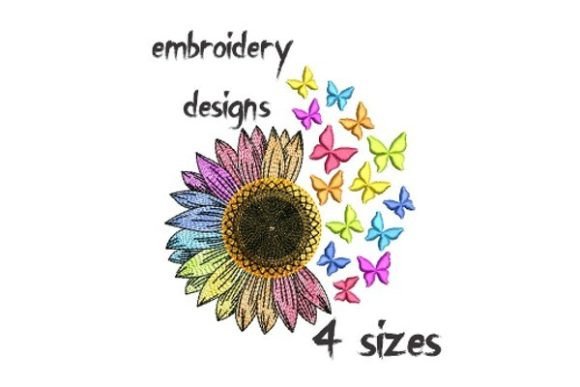
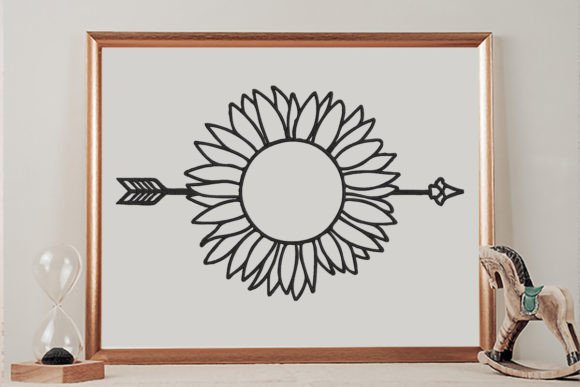
The first thing that strikes me about Sunflower Weed is its balanced aesthetic. It manages to be rustic without looking messy, and detailed without being overly dense. The layout suggests a natural growth pattern, which is crucial for floral designs. Too often, digital flowers look stiff or symmetrical in a way that nature never is. This design avoids that trap, offering a visual personality that feels organic and relaxed.
For a designer, this means versatility. The mood it creates is warm and inviting, making it an excellent candidate for home decor items like pillow covers or framed artwork. It does not scream for attention with aggressive colors or chaotic lines; instead, it invites a second look. This subtlety is what separates a amateurish clip-art conversion from a thoughtfully digitized embroidery file.
Real-World Application: From Digital File to Finished Product
To truly test the value of a design, you have to imagine it on actual goods. I recently considered using Sunflower Weed for a custom order involving canvas tote bags. The versatility of this design allows you to embroider it onto various items, such as pillows, tote bags, jackets, or even framed artwork. This machine embroidery des ign’s structure holds up well on medium-weight fabrics. When I visualized it on a natural cotton tote, the organic lines complemented the texture of the fabric perfectly. It did not look like a sticker slapped on top; it looked integrated.
Beyond totes, I see strong potential in custom apparel. Imagine this design on the left chest of a oversized sweatshirt. The scale appears appropriate for this placement, offering a boutique feel rather than a loud graphic tee vibe. For Etsy sellers and small shop product creators, this is a significant advantage. Customers are increasingly drawn to understated, high-quality details. A design like this elevates a basic garment into a handmade product that feels curated.
I also considered its use in baby embroidery projects. While the name "weed" might suggest ruggedness, the floral aspect is soft enough for nursery decor. However, caution is needed here. If used on baby clothes, one must ensure the stitch density is not too high, as babies have sensitive skin. Always check the back of the stitching for scratchy tails or dense buildup.
Technical Performance and Stitching Clarity
From a technical standpoint, the clarity of the stitches is paramount. In floral designs, the transition between petals and leaves can often become muddy if the digitizer relies too heavily on fill stitch without proper underlay or spacing. Sunflower Weed appears to handle these transitions with care. The use of satin stitch for smaller elements likely provides definition, while broader areas may utilize fill or running stitches to maintain flexibility.
Stitch density is a critical factor. If the design is too dense, it will cause puckering, especially on lighter fabrics. If it is too sparse, the fabric underneath will show through, ruining the visual impact. Based on the visual complexity, this design seems to strike a middle ground. However, I always advise testing on scrap fabric first. Every machine tension setting is different, and every thread brand behaves uniquely. What works on my Brother machine might need slight tension adjustments on a Janome or Bernina.
Thread color choice will dramatically alter the final look. For a realistic sunflower effect, variegated threads can add depth to the petals. For a more modern, graphic look, solid monochromatic threads work beautifully. I recommend creating printable mockup images in both color schemes to see which appeals more to your target audience before committing to production.
Where to Use Caution
While Sunflower Weed is versatile, it is not universal. There are specific scenarios where this design might struggle. First, consider the hoop size. Ensure the design fits comfortably within your hoop with adequate margin for stabilization. Trying to squeeze a large design into a small hoop can lead to registration errors.
Second, be cautious with textured or stretchy fabrics. Embroidering on a fuzzy fleece or a thin, stretchy jersey requires expert-level stabilization techniques. The intricate details of the flower might get lost in the pile of a fleece or distort on a jersey if not properly backed with cut-away stabilizer. For curved surfaces like caps, the design would need to be resized significantly and potentially simplified to avoid distortion during the stitching process.
Additionally, avoid using this design on items that require frequent, harsh washing unless you are confident in your finishing techniques. Embroidery can withstand washing, but poor stabilization or low-quality thread can lead to fraying over time. For commercial embroidery projects intended for retail, durability is non-negotiable.
Enhancing Brand Value and Customer Trust
For craft business owners, the choice of design assets directly impacts brand perception. Using a high-quality, well-digitized design like Sunflower Weed signals professionalism. It shows that you care about the details. When a customer receives a personalized gift or a finished product with clean, crisp stitching, their trust in your brand grows. They are more likely to leave positive reviews and return for future purchases.
This design also offers great potential for holiday embroidery collections. With the right color palette, it can fit into autumn-themed decor or spring renewal collections. Its adaptability makes it a valuable addition to your library of design assets. Instead of buying a new design for every season, you can refresh existing bestsellers by simply changing the thread colors associated with this single pattern.
Practical Notes for the Embroiderer
Before you load this file into your machine, take a moment to review the specifics. Since exact technical data like stitch count and specific file formats are not provided in the brief description, you must check these details upon download. Confirm that the file format matches your machine’s compatibility. Check the recommended stabilizer type. Most floral designs perform best with a medium-weight cut-away stabilizer for garments and tear-away for stable home decor fabrics.
Test the design on a similar fabric to your final project. Check the thread colors against your inventory. Does the contrast work? If you are using dark fabric, ensure the design has enough light-colored elements or consider using a white underlay to make the colors pop. Inspect small details after the test run. Are the tiny leaves connecting properly? Is there any thread breakage in tight corners?
Finally, confirm the licensing terms. If you plan to sell items made with Sunflower Weed, ensure you have the correct commercial license. Many designers offer different licenses for personal use versus commercial sales. Respecting intellectual property is a cornerstone of the creative community.
In conclusion, Sunflower Weed is a promising addition to any embroiderer’s toolkit. It offers the right blend of detail and simplicity, making it suitable for a wide range of applications from tote bag design to sweatshirt embroidery. By approaching it with a critical eye and proper preparation, you can create stunning, professional-quality items that resonate with customers and enhance your portfolio.